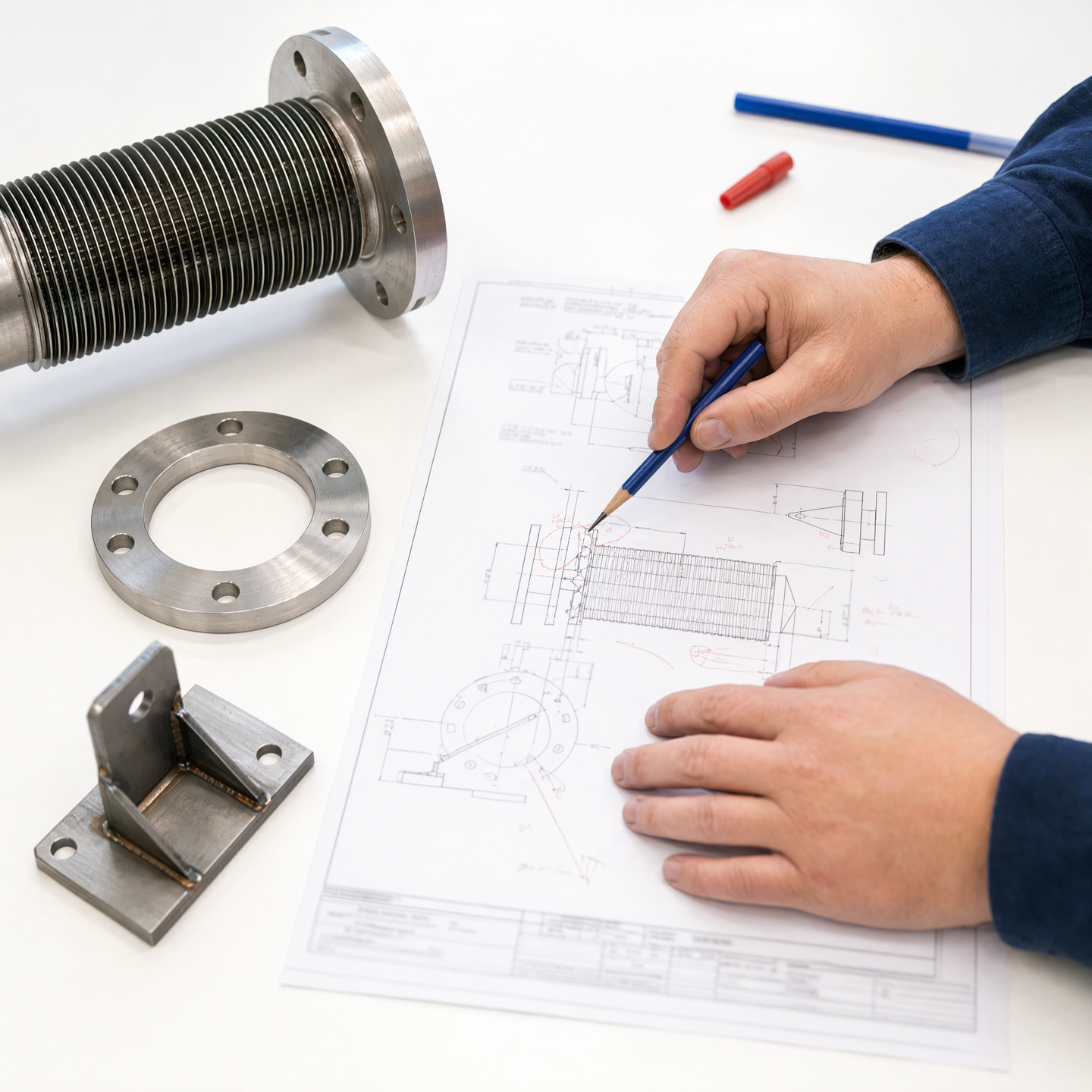
Manufacturing engineer
Translate design intent into a workable route
Clarify responsibility, identify access and sequence conflicts, and detail the agreed manufacturing basis.
About / Manufacturing judgement
The value between a customer design and a finished exchanger is the manufacturing judgement that resolves access, sequence, datums, distortion, handling and verification before they become shop-floor problems.
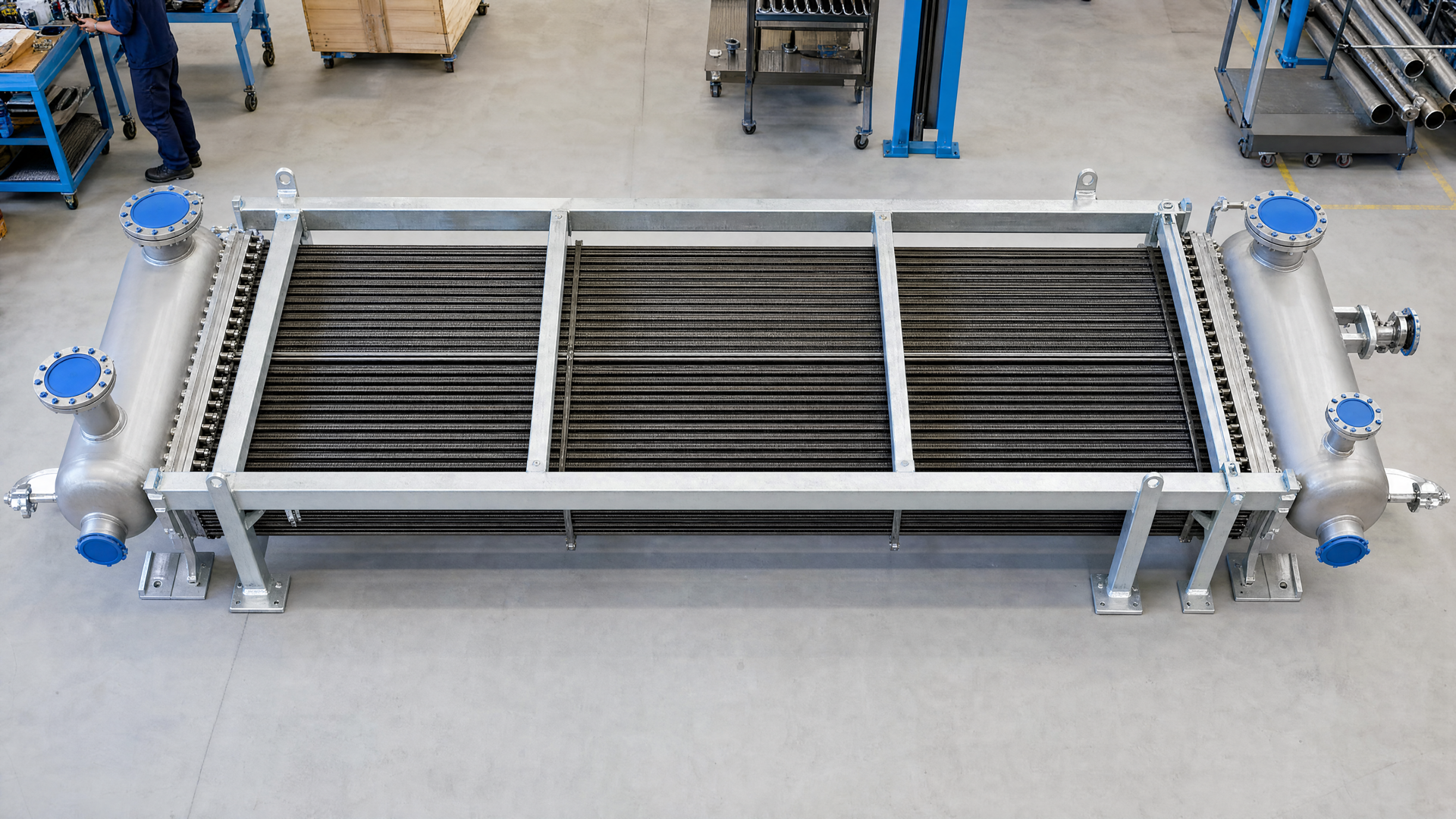
01 / Before release
The customer remains the authority for duty, heat-transfer design, equipment selection, overall geometry and required interfaces. StelTherm reviews the proposed equipment for manufacturability and returns practical changes for agreement.
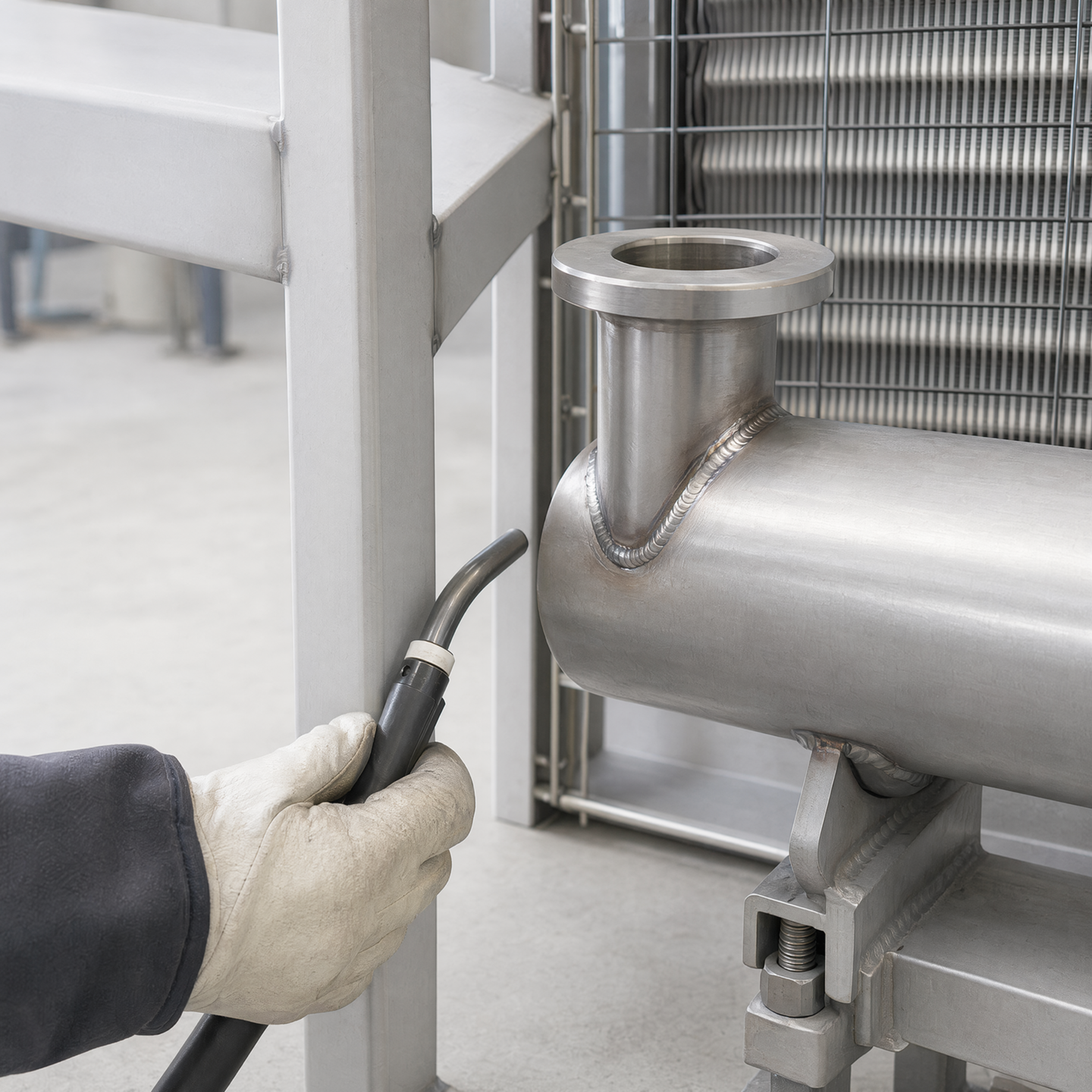
02 / Three roles
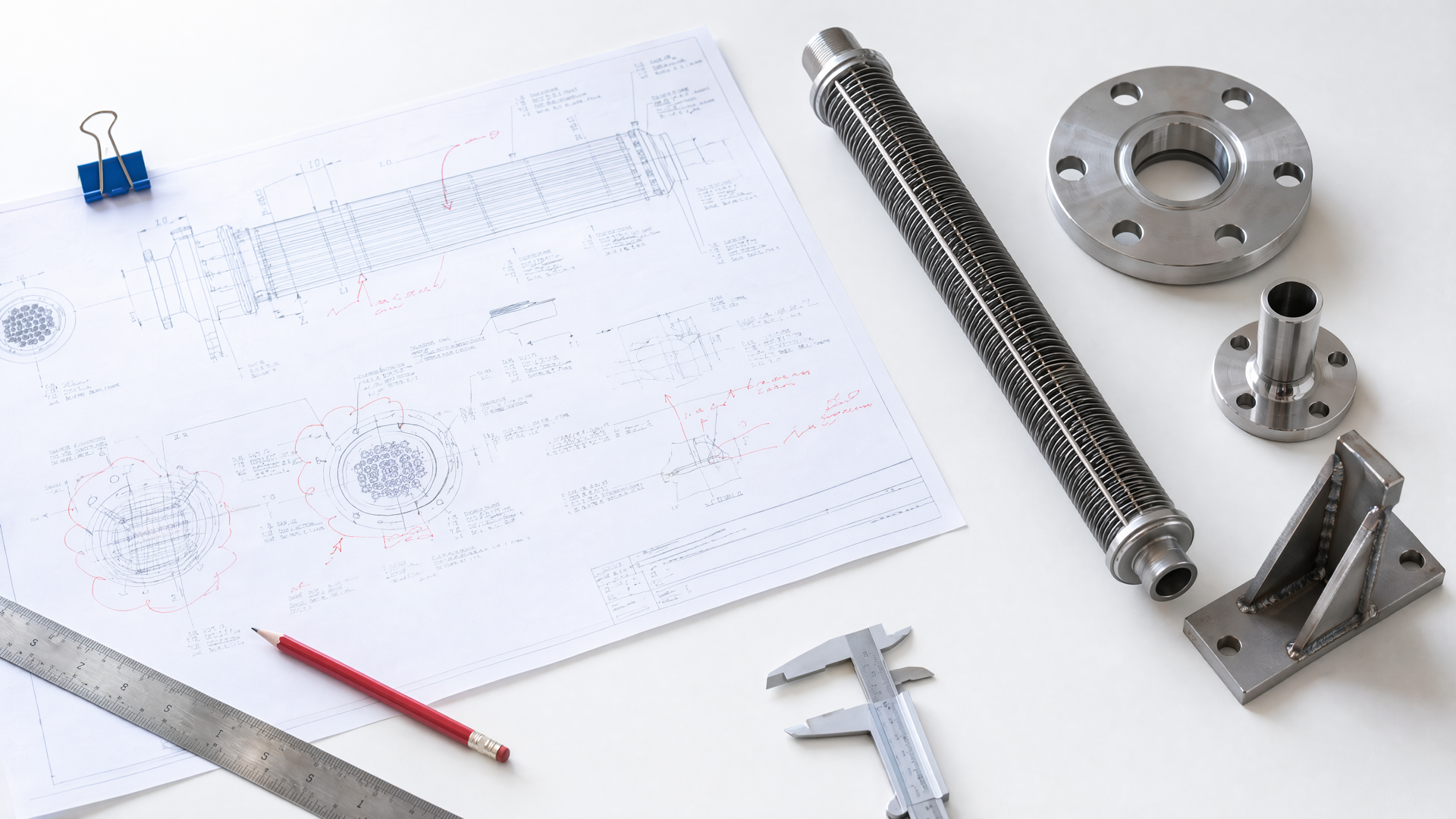
Each role sees a different risk in the same design. The build route improves when those views are resolved before and during assembly.
Manufacturing engineer
Clarify responsibility, identify access and sequence conflicts, and detail the agreed manufacturing basis.
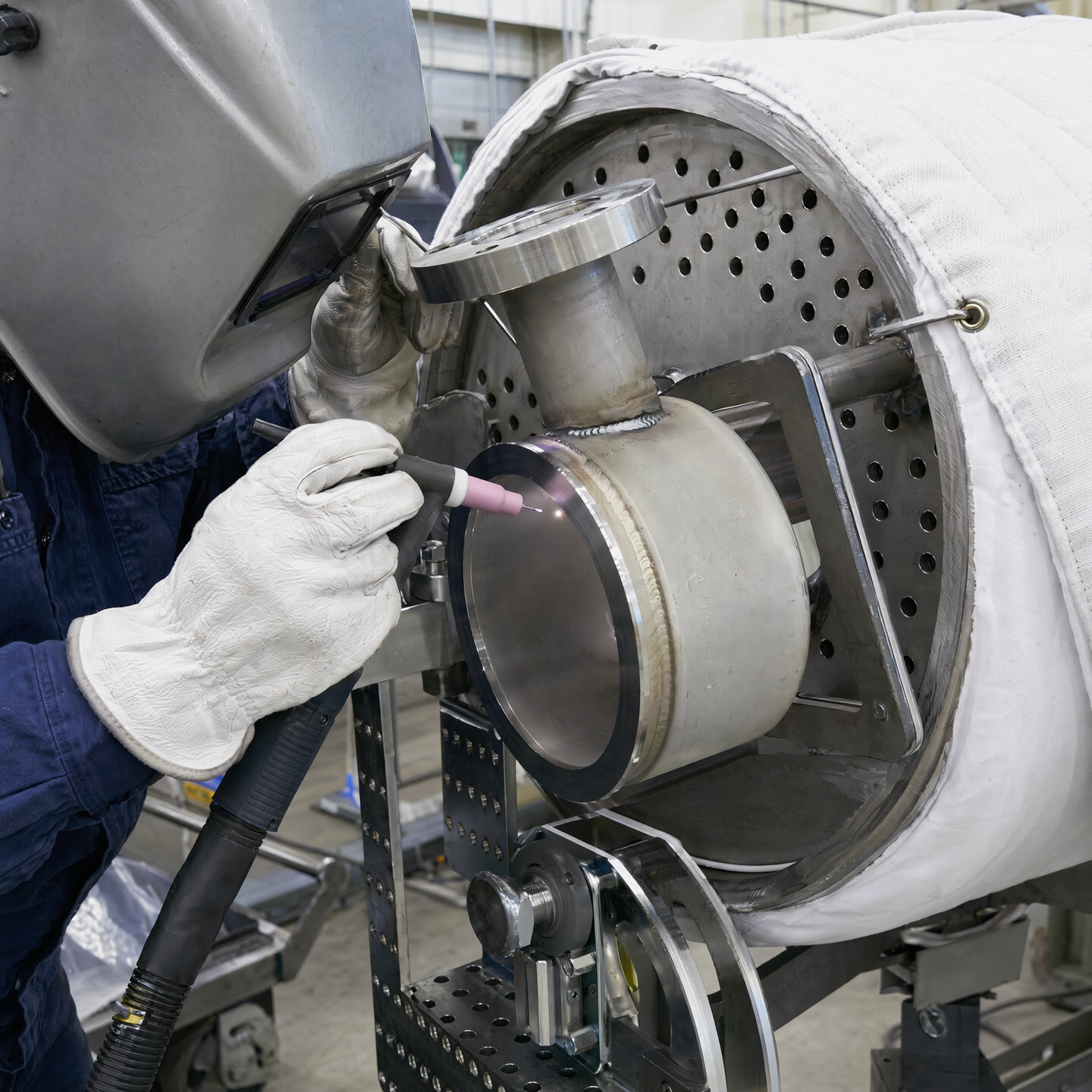
Welder / fabricator
Bring components together using the planned datums, restraints and joining order.
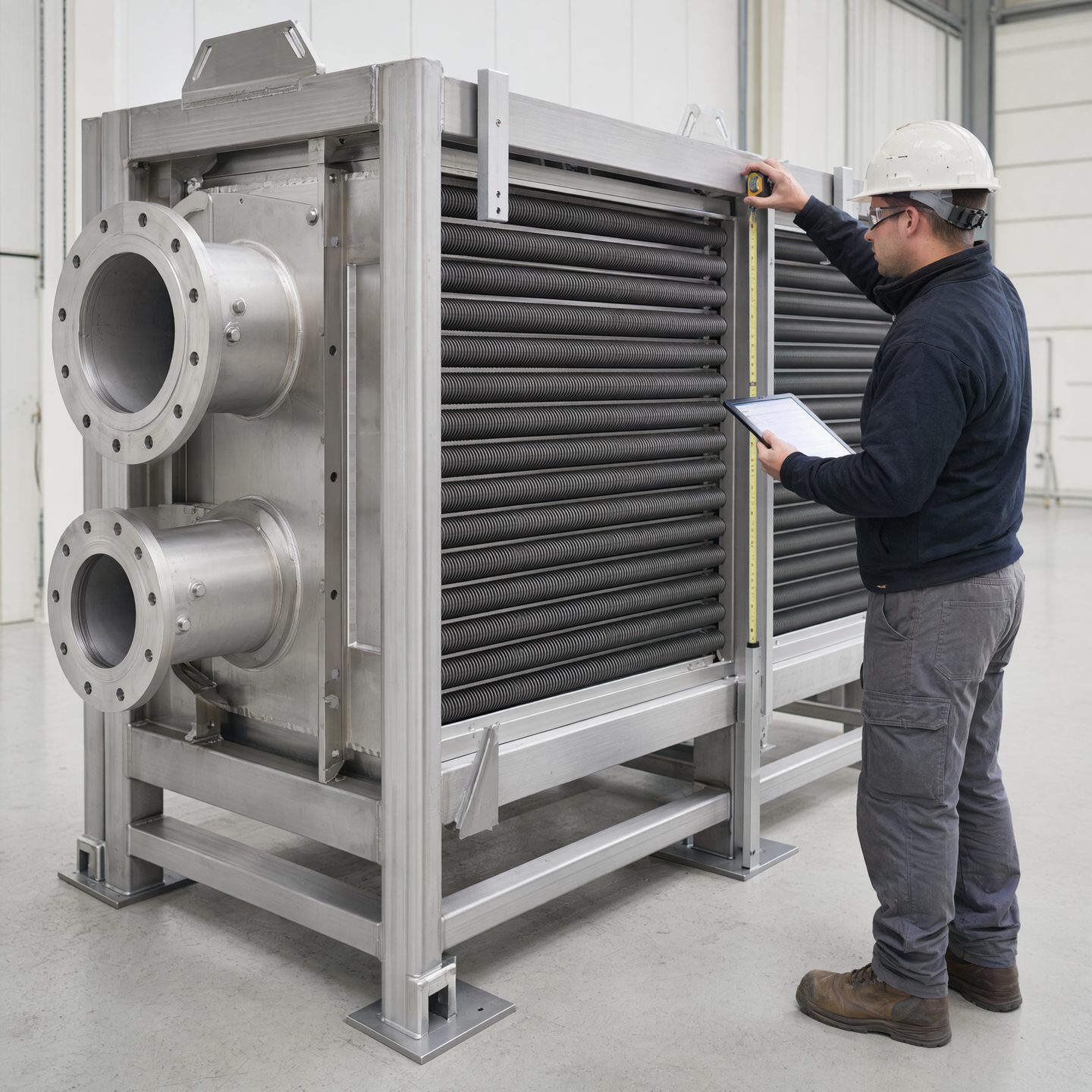
Inspector
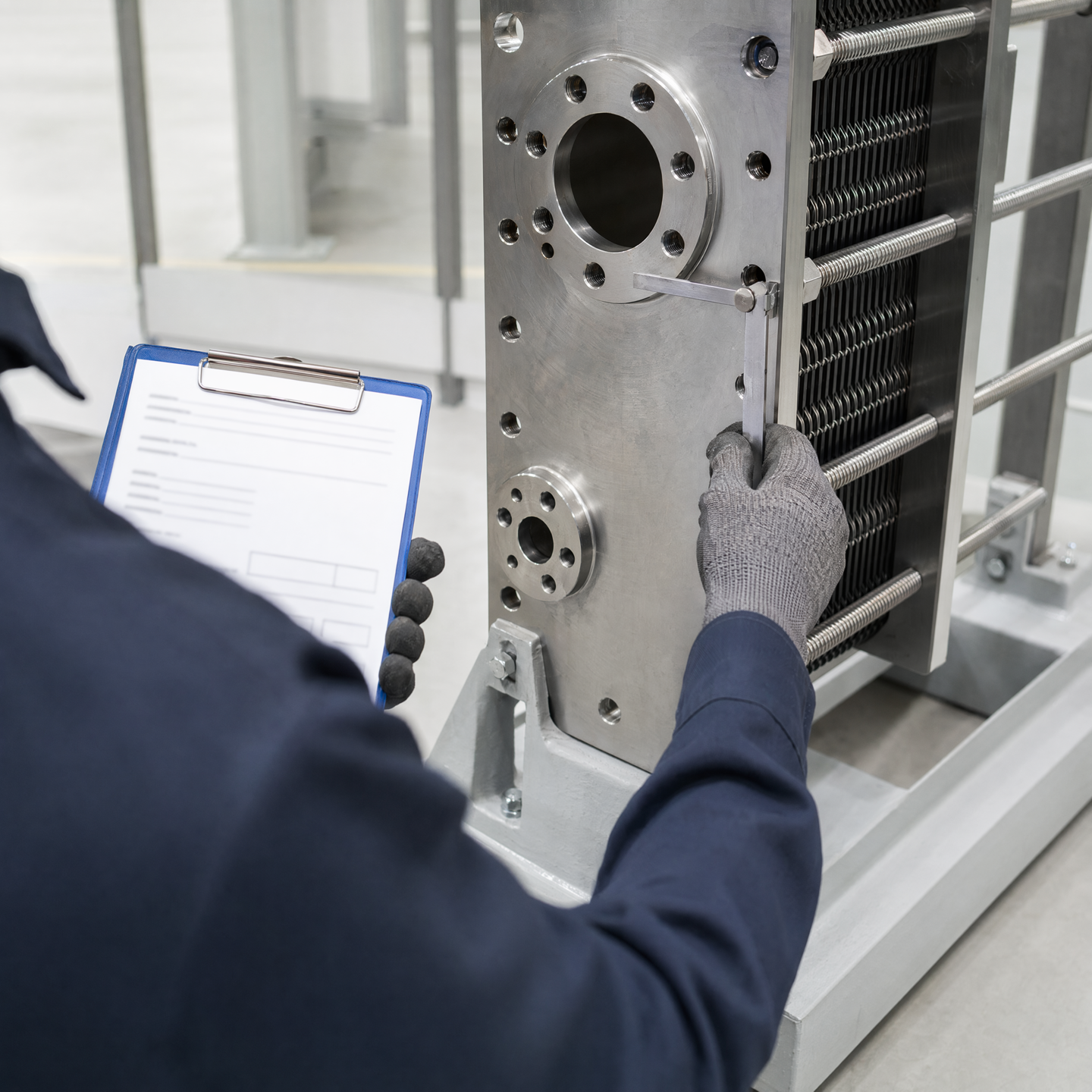
Verify defined dimensions, connection positions and delivery-state requirements against the agreed basis.
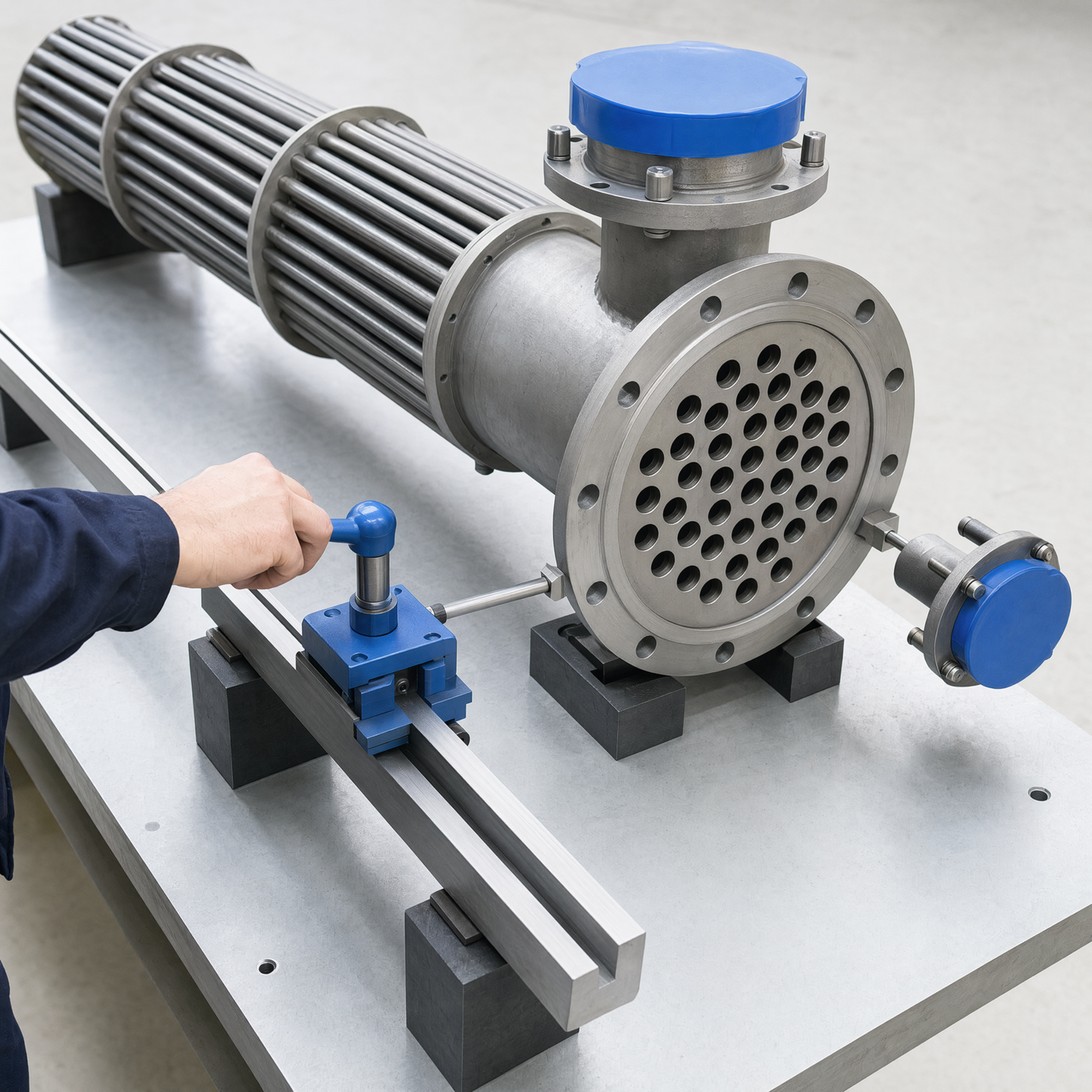
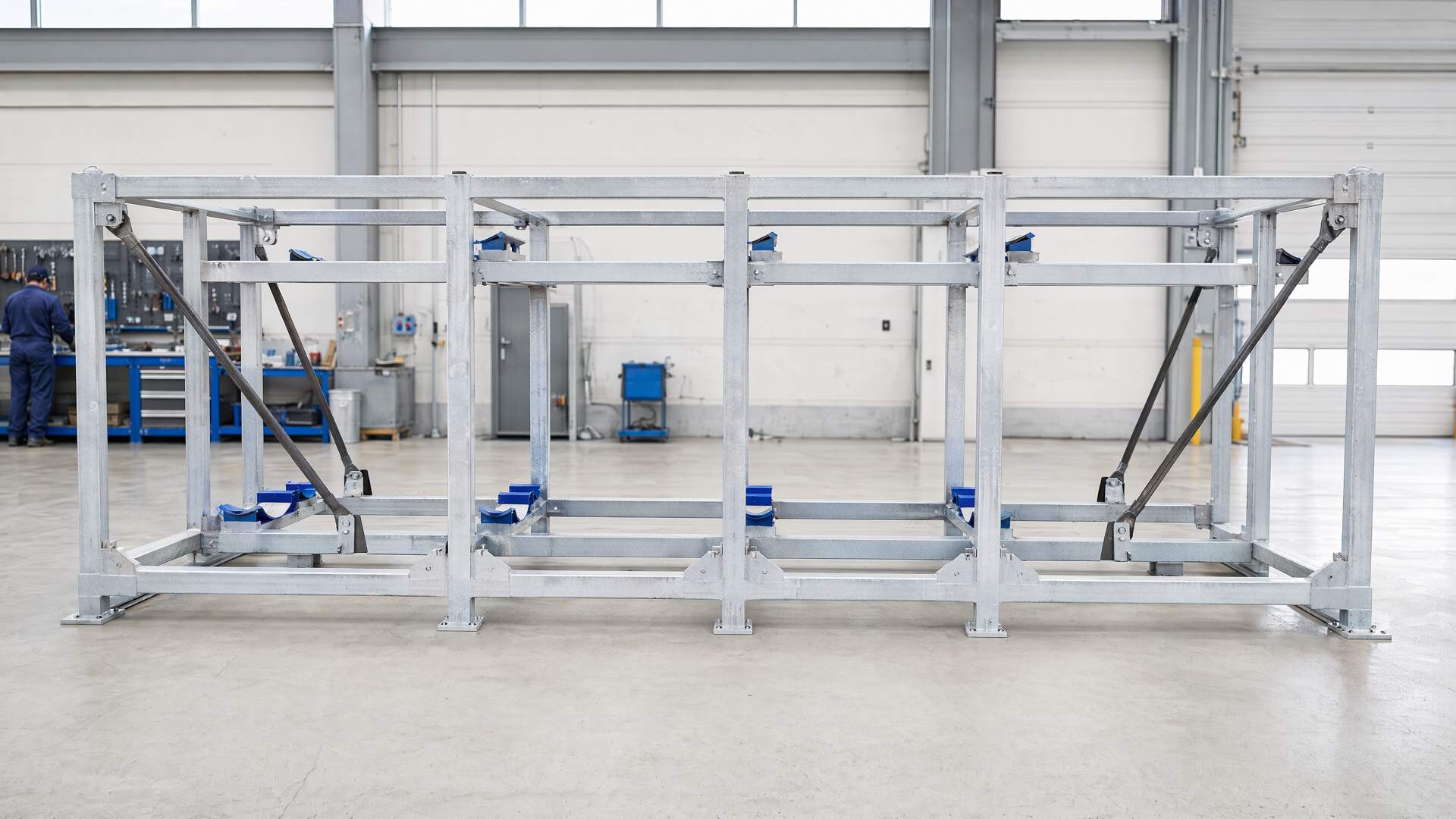
03 / Equipment-scale integration
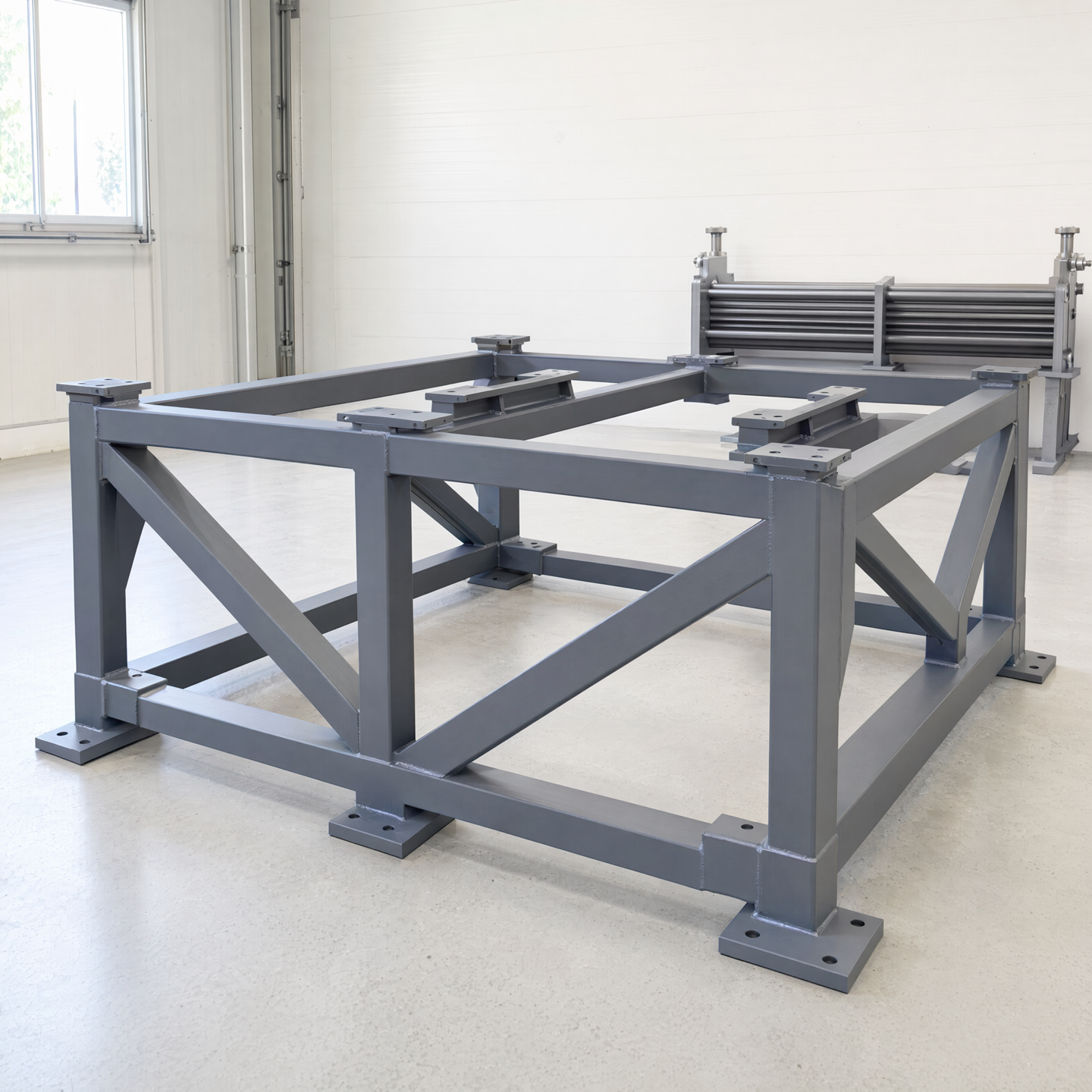
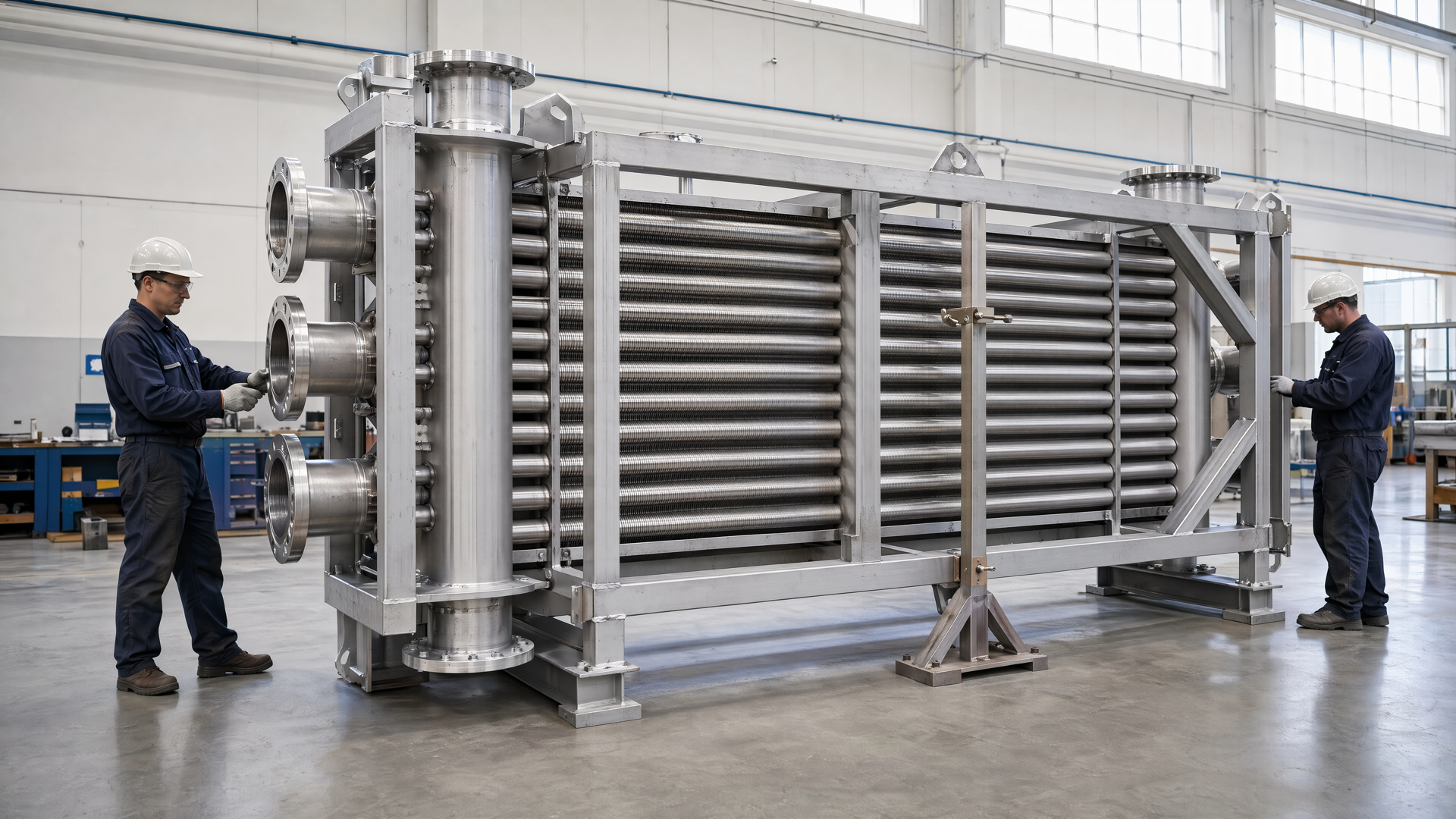
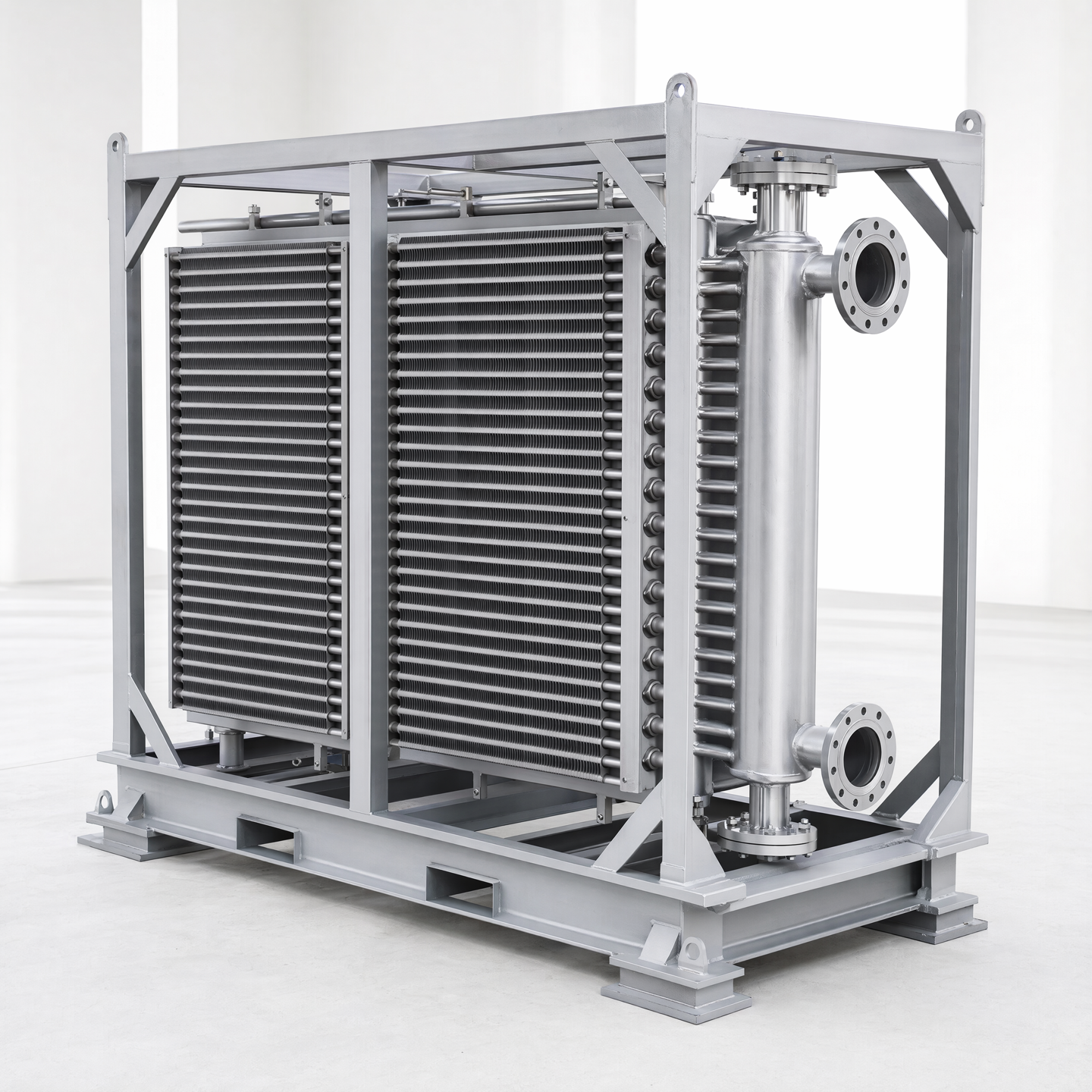
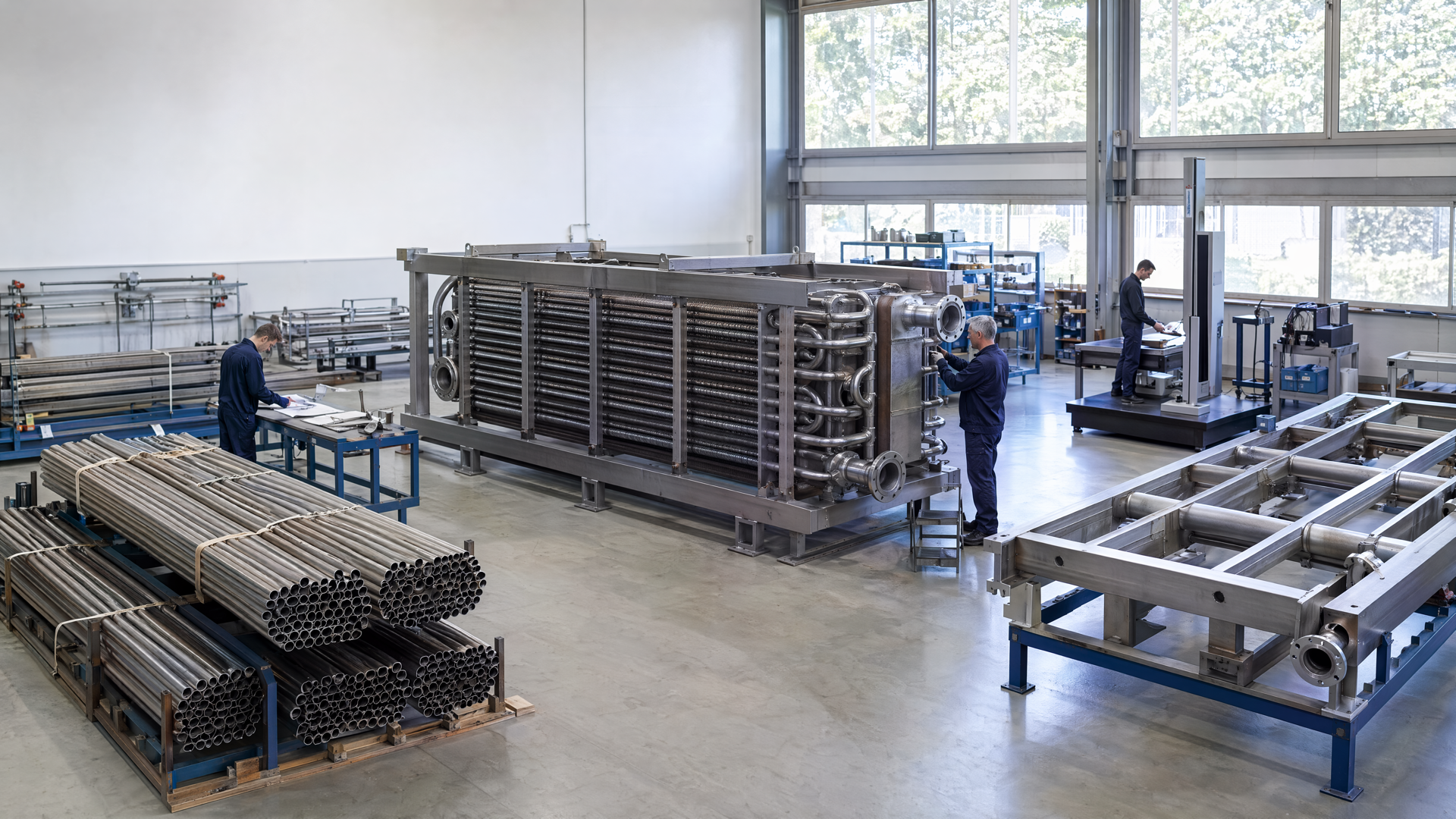
Structure and equipment are coordinated together so access remains available and the assembly can move through fit-up and verification without losing its critical interfaces.

04 / Quality sequence
Inspection is planned around the drawing, quotation and requirements accepted for the order. The page does not assume a universal tolerance, test method, certificate or record pack.
05 / Manufacturing judgement
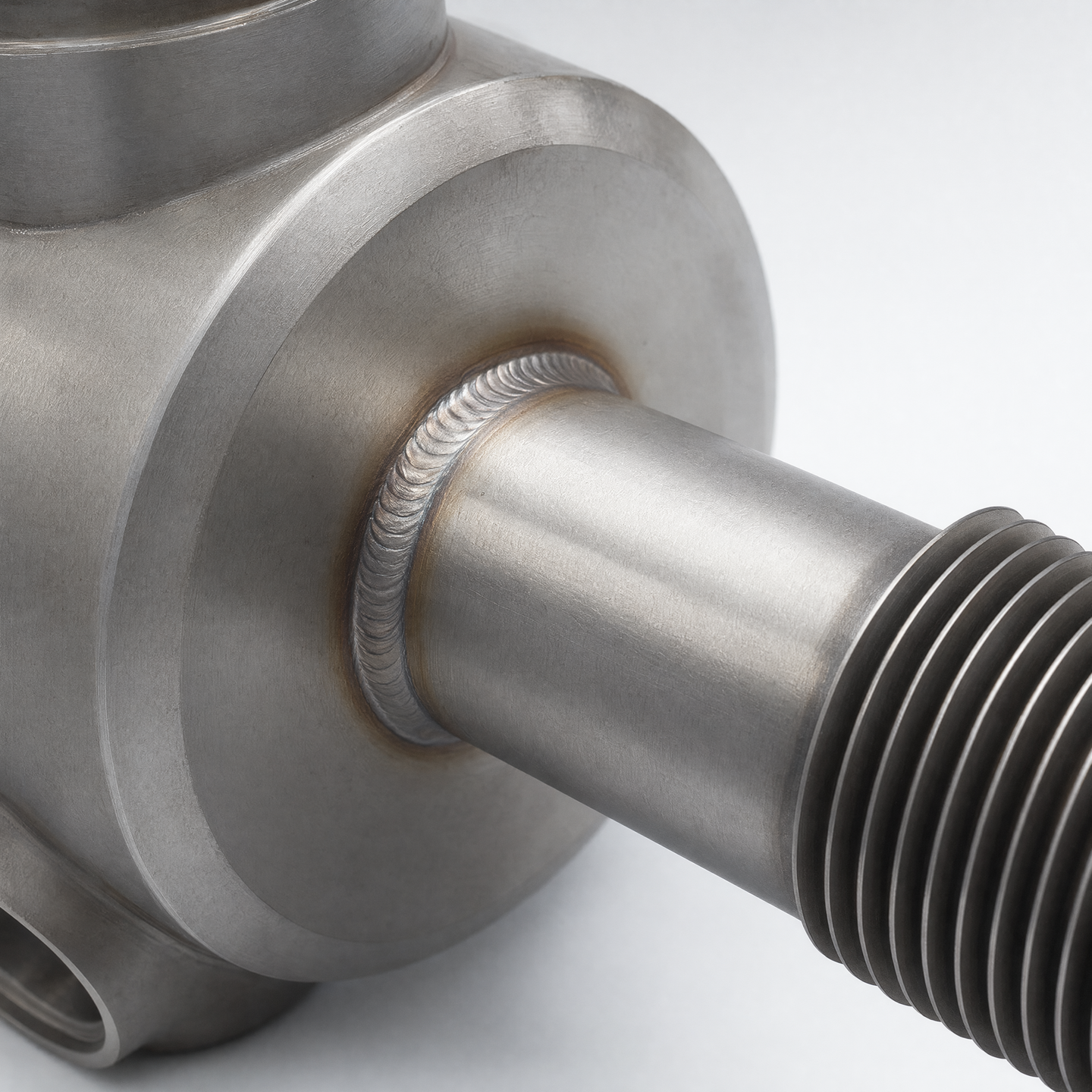
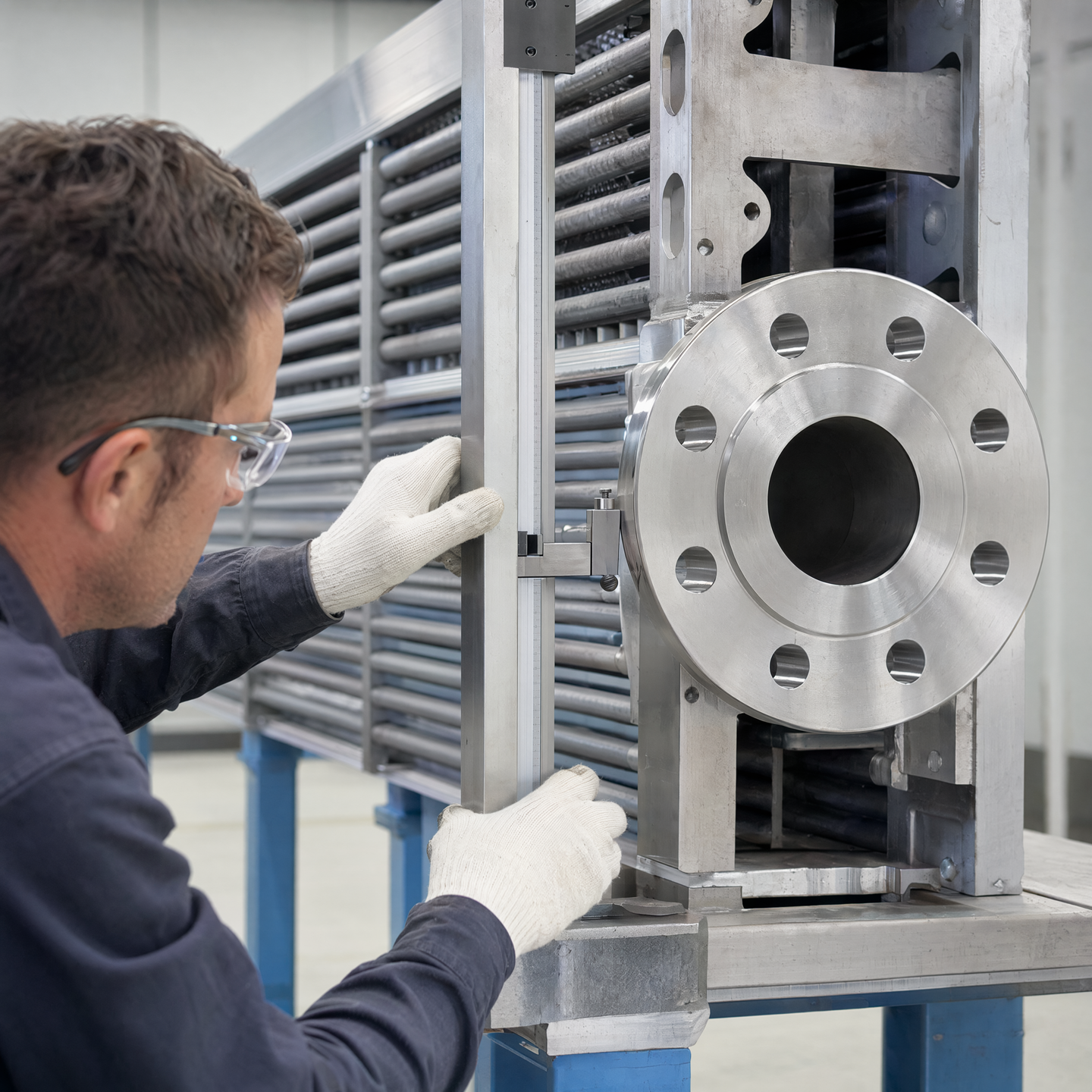
The images now sit beside the decisions they explain. This framework records how engineering, preparation, assembly, checks and delivery stay connected to the current drawing revision and agreed responsibility owner.
Turns customer-controlled geometry into fabrication questions about access, datums, restraint, sequence and inspectability, then returns proposed changes for agreement.
The handoff is complete when each open point names the affected drawing, the manufacturing consequence and the approval owner. Accepted answers are carried into the detail or scope note that controls downstream work.
Coordinates selected or supplied finned tubes with the headers, flanges, frames, supports and protection included in the agreed scope without implying every process is performed in-house.
Purchase, supply and fabrication boundaries are stated during quotation. Material grades, fin types, process routes and exact dimensional capability are published only when a maintained source supports them.
Plans when components become rigid, which references must remain available and when an interface can still be checked and corrected.
Useful checks are linked to decisions rather than added at the end. Frame condition, bundle position, connection faces and mounting interfaces are reviewed at the stage where the route still permits action.
Connects the finished assembly, agreed records, interface protection and handoff condition to the quotation rather than to a generic promise.
The delivery basis identifies complete and loose items, protected openings, restrained frame points and selected records. It does not imply a standard document pack, test method, certification or fixed lead time.
The people, facilities, processes and equipment shown in generated imagery are illustrative. They are not documentary evidence of StelTherm staff, a StelTherm factory or a customer project. Likewise, the Steelhui Metal relationship does not by itself authorize claims about certifications, production capacity, qualifications, material ranges or inspection results for StelTherm. Public capability statements require a named source, an owner and a revision date. Until those facts are verified, the responsible description is drawing-dependent manufacturing review and an order-specific agreed scope. New verified drawings, scope records, inspection plans or rights-cleared documentary images should trigger a focused correction to the affected copy, caption and inquiry guidance rather than a broad unsupported claim. That source discipline keeps later corrections local, reviewable and reversible for future project teams.
Operational ownership also means making each handoff usable by the next role. The manufacturing question should identify the affected interface and approval owner; the accepted answer should appear in the drawing or scope record used for preparation; the assembly instruction should preserve the access and datum needed for the next stage; and the selected check should occur while correction remains possible. A complete-looking unit is not evidence that this chain was followed. The controlled order basis, current revision and agreed manufacturing records remain the sources for what StelTherm is responsible to deliver.
06 / Steelhui family
StelTherm is a Steelhui Metal brand focused on manufacturing engineering and fabrication for finned-tube exchanger equipment.